
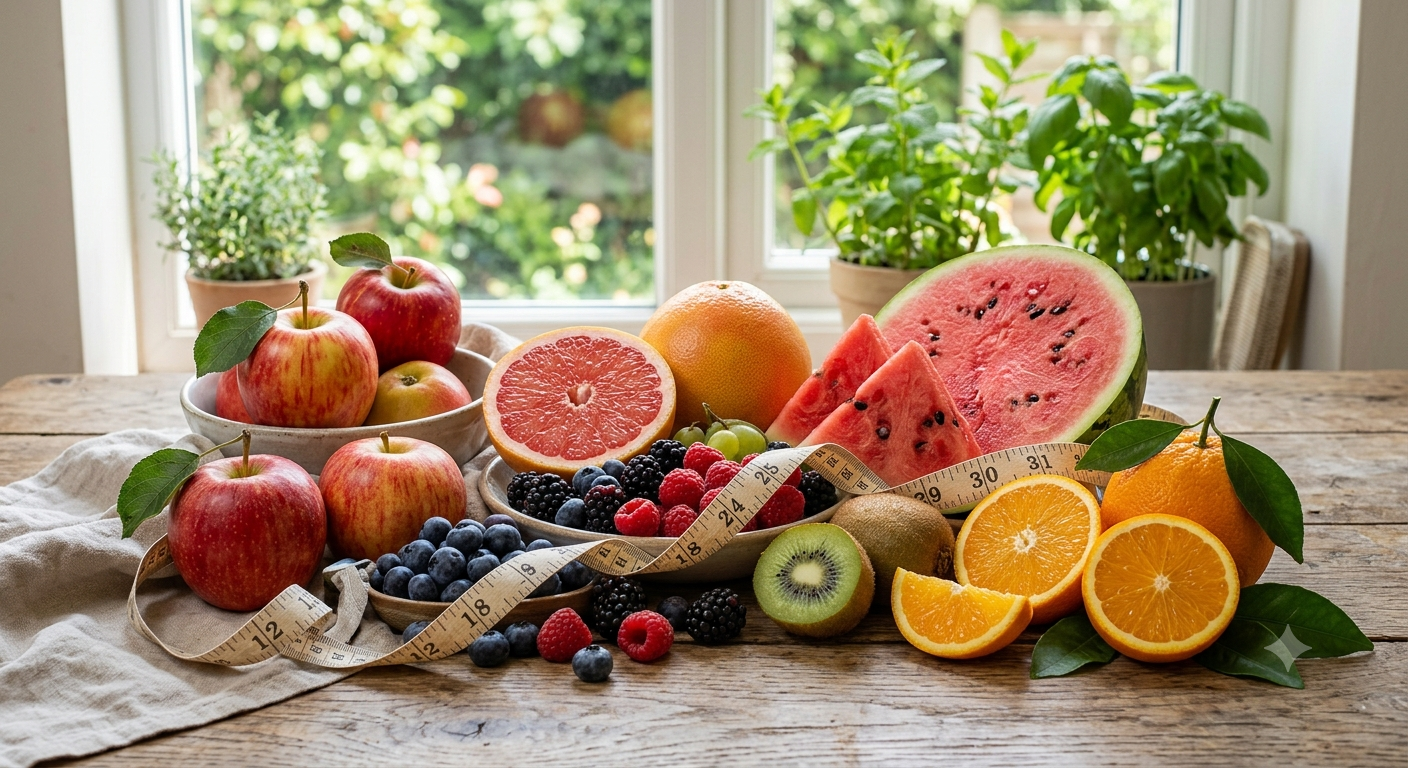

Best Fruits for Weight Management: A Complete Guide to Healthy and Delicious Choices
Introduction
Maintaining a healthy weight is about more than simply counting calories—it’s about making smart food choices that nourish your body while keeping you satisfied. Among the healthiest foods you can include in your daily diet are fruits. Naturally sweet, packed with essential nutrients, and rich in fiber and water, fruits can satisfy cravings, support digestion, and help control appetite without adding excessive calories.
Many people avoid fruit because they believe its natural sugar content causes weight gain. However, scientific research consistently shows that whole fruits are associated with healthier body weight and a lower risk of obesity. Unlike sugary snacks, desserts, and processed foods, whole fruits contain fiber that slows digestion, promotes fullness, and helps regulate blood sugar levels.
Whether your goal is losing weight, maintaining your current weight, or simply improving your overall diet, eating a variety of fruits can make your journey easier and more enjoyable. Different fruits offer unique combinations of vitamins, minerals, antioxidants, and plant compounds that support metabolism, digestive health, heart health, and overall wellness.
This guide explores the best fruits for weight management, explains why they are effective, and provides practical tips for including them in your everyday meals.
Why Fruits Are Great for Weight Management
Whole fruits provide several qualities that make them ideal for healthy weight management.
Low in Calories
Most fruits are naturally low in calories compared to processed snacks and desserts, allowing you to eat satisfying portions without consuming excessive energy.
High in Fiber
Dietary fiber slows digestion and helps you feel full for longer, reducing unnecessary snacking between meals.
High Water Content
Many fruits contain more than 80% water, adding volume to meals while supporting hydration and satiety.
Rich in Nutrients
Fruits provide vitamins, minerals, antioxidants, and phytochemicals that support overall health while dieting.
Naturally Sweet
Their natural sweetness helps satisfy cravings without relying on refined sugar.
How Fruits Support Healthy Weight
Adding fruits to a balanced diet can contribute to weight management in several ways.
They help:
- Control hunger between meals
- Reduce calorie intake
- Improve digestion
- Replace unhealthy desserts
- Increase daily fiber intake
- Support healthy gut bacteria
- Improve hydration
- Reduce cravings for sugary foods
When paired with a healthy lifestyle and regular physical activity, fruits can become an important part of a sustainable weight-management plan.
1. Apples
Apples are among the best fruits for weight management because they are rich in fiber and water while remaining relatively low in calories.
Nutritional Highlights
- High in soluble fiber (pectin)
- Rich in vitamin C
- Naturally low in calories
- High water content
Benefits
- Promotes fullness
- Supports digestion
- Helps regulate blood sugar
- Makes an excellent portable snack
Healthy Ways to Eat
- Fresh apple slices
- Apple with peanut butter
- Chopped into oatmeal
- Added to salads
Eating a whole apple before meals may help reduce overall calorie intake.
2. Berries
Blueberries, strawberries, raspberries, and blackberries are nutritional powerhouses.
Nutritional Highlights
- Rich in antioxidants
- High fiber
- Low calorie
- Excellent vitamin C source
Benefits
- Helps satisfy sweet cravings
- Supports healthy digestion
- Reduces inflammation
- Supports heart health
Serving Ideas
- Greek yogurt topping
- Smoothies
- Oatmeal
- Fruit salads
Frozen berries are just as nutritious as fresh ones and are available year-round.
3. Grapefruit
Grapefruit is often associated with healthy eating because it is refreshing, low in calories, and high in water.
Benefits
- Supports hydration
- Rich in vitamin C
- Low calorie density
- Naturally filling
Although grapefruit is nutritious, it can interact with certain medications. Anyone taking prescription medicines should consult a healthcare professional before increasing grapefruit intake.
4. Watermelon
Watermelon consists of approximately 90% water, making it one of the most hydrating fruits available.
Benefits
- Low calorie
- Supports hydration
- Naturally sweet
- Helps control cravings
Enjoy watermelon as a refreshing snack during warm weather.
5. Pears
Pears are another excellent high-fiber fruit.
Nutritional Highlights
- Rich in fiber
- Good source of vitamin C
- Contains antioxidants
Benefits
- Supports digestive health
- Promotes fullness
- Helps maintain stable energy
Eat pears with the skin for maximum fiber.
6. Oranges
Oranges provide natural sweetness along with plenty of vitamin C.
Benefits
- Supports immunity
- High water content
- Good fiber source
- Satisfies sweet cravings
Whole oranges are preferable to orange juice because they contain much more fiber.
7. Kiwi
Kiwi is a nutrient-dense fruit with relatively few calories.
Benefits
- Rich in vitamin C
- Supports digestion
- Contains fiber
- Promotes gut health
Kiwi also contains enzymes that may help with protein digestion.
8. Bananas
Bananas are often misunderstood because they contain more carbohydrates than some other fruits. However, they remain an excellent addition to a balanced diet.
Benefits
- Provides potassium
- Supports muscle function
- Offers sustained energy
- Rich in vitamin B6
Bananas pair well with protein-rich foods such as Greek yogurt or peanut butter for a balanced snack.
9. Avocados
Although technically a fruit, avocados are unique because they contain healthy fats rather than being primarily carbohydrate-based.
Benefits
- Rich in monounsaturated fats
- High fiber
- Supports heart health
- Increases meal satisfaction
Because avocados are more calorie-dense, moderate portion sizes are recommended.
10. Pineapple
Pineapple offers a refreshing tropical flavor and several beneficial nutrients.
Benefits
- Rich in vitamin C
- Contains manganese
- Provides antioxidants
- Supports digestion through bromelain
Fresh pineapple is preferable to canned varieties packed in sugary syrup.
11. Peaches
Peaches are naturally sweet and relatively low in calories.
Benefits
- Supports hydration
- Provides vitamin C
- Contains fiber
- Rich in antioxidants
They make an excellent summer snack.
12. Papaya
Papaya is loaded with nutrients and digestive enzymes.
Benefits
- Supports digestion
- Rich in vitamin A
- High vitamin C content
- Low calorie
Papaya works well in fruit salads or smoothies.
13. Pomegranates
Pomegranate seeds provide fiber and powerful antioxidants.
Benefits
- Supports heart health
- Rich in antioxidants
- Helps reduce inflammation
- Naturally satisfying
Sprinkle pomegranate seeds over yogurt or salads.
14. Cherries
Fresh cherries offer antioxidants and fiber in a naturally sweet package.
Benefits
- Supports recovery after exercise
- Contains antioxidants
- Helps satisfy dessert cravings
- Rich in vitamins
Choose fresh cherries without added sugar whenever possible.
15. Mixed Fruit Salad
Rather than relying on a single fruit, combining several varieties provides a broader range of nutrients.
A healthy fruit salad might include:
- Apples
- Strawberries
- Kiwi
- Grapes
- Oranges
- Blueberries
- Pineapple
Avoid adding sugary syrups or whipped cream.
Best Ways to Eat Fruit for Weight Management
Whole fruits are generally the healthiest option because they retain their natural fiber.
Healthy serving ideas include:
- Add berries to oatmeal.
- Eat an apple between meals.
- Blend fruit into smoothies with Greek yogurt.
- Add banana slices to whole-grain toast with peanut butter.
- Mix fruit into salads.
- Enjoy fresh fruit for dessert instead of cakes or cookies.
- Pair fruit with nuts for a balanced snack.
Combining fruit with protein or healthy fats can increase fullness and help stabilize energy levels.
Fruits to Limit (But Not Eliminate)
All whole fruits can fit into a healthy diet. However, some fruit products contain large amounts of added sugar.
Limit:
- Fruit juices
- Sweetened dried fruits
- Canned fruit in syrup
- Fruit-flavored desserts
- Sugary smoothies made with ice cream
These products often contain more calories and less fiber than whole fruits.
Tips for Including More Fruit in Your Diet
Simple habits can help you eat more fruit consistently.
- Keep fresh fruit visible on the kitchen counter.
- Pack fruit for work or school.
- Add berries to breakfast.
- Replace desserts with fruit.
- Freeze grapes or berries for refreshing snacks.
- Blend fruit into smoothies.
- Include fruit in salads.
Making fruit convenient increases the likelihood of choosing it over processed snacks.
Common Myths About Fruit and Weight Loss
Myth 1: Fruit Makes You Gain Weight
Whole fruits are generally associated with healthy body weight because they are nutrient-dense, filling, and naturally lower in calories than many processed snacks.
Myth 2: Fruit Contains Too Much Sugar
The natural sugars in whole fruit are accompanied by fiber, water, and beneficial nutrients, making them very different from added sugars found in sweets and sugary drinks.
Myth 3: You Should Avoid Fruit at Night
There is no strong evidence that eating fruit in the evening causes weight gain. Overall calorie intake and dietary quality are more important than the time of day you eat fruit.
Myth 4: Fruit Juice Is the Same as Whole Fruit
Whole fruits are a better choice because they contain fiber, which helps control appetite and supports healthy digestion.
Sample One-Day Fruit-Focused Meal Plan
Breakfast
Oatmeal topped with blueberries, banana slices, and chia seeds.
Morning Snack
An apple with a handful of almonds.
Lunch
Grilled chicken salad with strawberries, spinach, walnuts, and olive oil dressing.
Afternoon Snack
Greek yogurt topped with kiwi and raspberries.
Dinner
Grilled salmon with roasted vegetables and brown rice.
Dessert
Fresh pineapple and watermelon.
This meal plan provides plenty of vitamins, minerals, fiber, and protein while supporting healthy weight management.
Lifestyle Tips for Successful Weight Management
Fruit works best as part of an overall healthy lifestyle.
For the best results:
- Eat balanced meals.
- Stay physically active.
- Drink plenty of water.
- Get enough sleep.
- Limit highly processed foods.
- Practice portion awareness.
- Manage stress.
- Choose whole foods most of the time.
Long-term success comes from consistent habits rather than restrictive diets.
Conclusion
Whole fruits are among the healthiest foods you can include in a weight-management plan. Packed with fiber, water, vitamins, minerals, and antioxidants, they help control hunger, satisfy sweet cravings, support digestion, and provide lasting nutrition without excessive calories. From fiber-rich apples and pears to antioxidant-packed berries, hydrating watermelon, vitamin C-rich oranges, and healthy-fat-containing avocados, each fruit offers unique benefits that contribute to overall health and sustainable weight management.
Rather than avoiding fruit because of its natural sugar content, focus on choosing whole, minimally processed options and enjoying a variety of colors and flavors throughout the week. Pair fruits with protein-rich foods like Greek yogurt or nuts to create balanced snacks that keep you feeling satisfied for longer.
Remember that successful weight management isn’t about eliminating food groups or following restrictive diets. It’s about building healthy habits you can maintain for life. By making fruits a regular part of your meals and snacks, alongside balanced nutrition, regular exercise, quality sleep, and proper hydration, you’ll support not only your weight goals but also your heart health, digestive system, immune function, and overall well-being.
Healthy eating begins with simple choices, and adding more fresh fruit to your daily routine is one of the easiest and most enjoyable steps you can take toward a healthier lifestyle.