
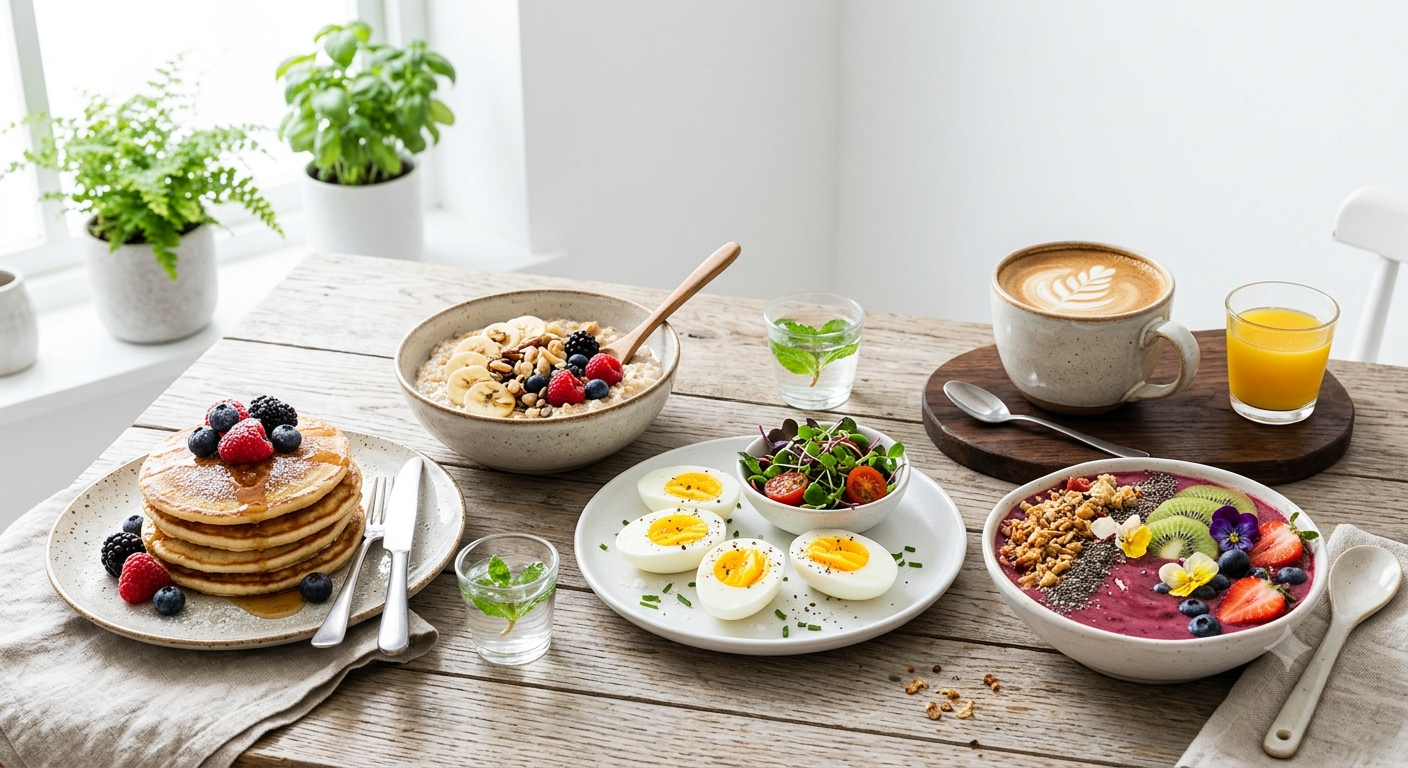

Healthy Breakfast Ideas: Start Your Day with Nutritious and Delicious Meals
Introduction
Breakfast is often called the most important meal of the day, and for good reason. After several hours of fasting during sleep, your body needs fuel to replenish energy stores, kick-start your metabolism, and prepare for the physical and mental demands of the day ahead. A balanced breakfast provides essential nutrients, stabilizes blood sugar levels, improves concentration, and helps prevent overeating later in the day.
Despite its importance, breakfast is one of the most commonly skipped meals. Busy schedules, lack of time, and unhealthy eating habits often lead people to grab sugary pastries, processed cereals, or fast food—or skip breakfast entirely. While this may seem convenient, regularly missing breakfast can result in low energy, poor focus, increased hunger, and unhealthy snacking throughout the day.
The good news is that eating a healthy breakfast doesn’t have to be complicated or time-consuming. With a little planning, you can prepare nutritious meals that are delicious, satisfying, and easy to fit into your routine. The best breakfasts combine high-quality protein, whole grains, healthy fats, fruits, and vegetables to provide long-lasting energy and support overall health.
In this guide, we’ll explore why breakfast matters, what makes a breakfast healthy, and share a variety of nutritious breakfast ideas that suit different tastes, lifestyles, and dietary preferences.
Why Breakfast Is Important
Breakfast literally means “breaking the fast.” During the night, your body uses stored energy to maintain essential functions such as breathing, circulation, and tissue repair. By morning, these energy reserves are lower, making it important to refuel with nutritious foods.
A healthy breakfast offers numerous benefits, including:
- Provides energy for daily activities
- Improves concentration and memory
- Supports healthy metabolism
- Helps maintain stable blood sugar levels
- Reduces unhealthy cravings later in the day
- Supports weight management
- Improves mood and productivity
- Supplies essential vitamins and minerals
People who regularly eat balanced breakfasts are often more likely to meet their daily nutritional needs and maintain healthier eating habits overall.
What Makes a Healthy Breakfast?
Not every breakfast is equally nutritious. A meal high in refined sugar and low in protein may provide a quick burst of energy followed by a sudden crash. A balanced breakfast should include several key nutrients.
Protein
Protein helps repair body tissues, supports muscle maintenance, and keeps you feeling full for longer.
Healthy protein sources include:
- Eggs
- Greek yogurt
- Cottage cheese
- Milk
- Tofu
- Peanut butter
- Nuts
- Seeds
Whole Grains
Whole grains provide complex carbohydrates and fiber that release energy gradually.
Examples include:
- Oats
- Whole wheat bread
- Whole grain cereal
- Brown rice
- Quinoa
Healthy Fats
Healthy fats improve satiety and help absorb fat-soluble vitamins.
Good sources include:
- Avocados
- Almonds
- Walnuts
- Chia seeds
- Flaxseeds
- Natural nut butters
Fruits and Vegetables
Adding fruits and vegetables increases your intake of vitamins, minerals, antioxidants, and fiber.
Popular choices include:
- Bananas
- Apples
- Berries
- Oranges
- Spinach
- Tomatoes
- Bell peppers
1. Oatmeal with Fresh Fruit and Nuts
Oatmeal is one of the healthiest breakfast options because it is rich in soluble fiber, particularly beta-glucan, which supports heart health and helps control cholesterol levels.
Ingredients
- Rolled oats
- Milk or plant-based milk
- Blueberries
- Banana slices
- Almonds
- Chia seeds
- Cinnamon
Benefits
- High in fiber
- Long-lasting energy
- Supports digestion
- Keeps you full for hours
2. Greek Yogurt Breakfast Bowl
Greek yogurt contains significantly more protein than regular yogurt and also provides probiotics that support gut health.
Toppings
- Fresh berries
- Granola
- Walnuts
- Pumpkin seeds
- Honey (optional)
Benefits
- High protein
- Supports digestion
- Rich in calcium
- Quick to prepare
3. Vegetable Omelet
Eggs are among the most nutritious breakfast foods available.
Adding vegetables increases fiber and vitamin content.
Ingredients
- Eggs
- Spinach
- Tomatoes
- Bell peppers
- Mushrooms
- Onions
Serve with whole-grain toast.
Benefits
- High-quality protein
- Supports muscle maintenance
- Rich in vitamins
- Very filling
4. Whole Grain Avocado Toast
Avocado toast has become popular because it combines healthy fats with whole grains.
Additions
- Boiled egg
- Tomato slices
- Black pepper
- Sesame seeds
- Spinach
Benefits
- Heart-healthy fats
- High fiber
- Supports brain health
- Keeps hunger under control
5. Smoothie Bowl
Smoothie bowls are colorful, refreshing, and packed with nutrients.
Blend
- Banana
- Frozen berries
- Greek yogurt
- Spinach
- Milk
Top With
- Granola
- Chia seeds
- Almonds
- Fresh fruit
This breakfast is ideal for warm weather.
6. Peanut Butter Banana Toast
This simple breakfast provides carbohydrates, healthy fats, and protein.
Ingredients
- Whole-grain bread
- Natural peanut butter
- Banana slices
- Cinnamon
Benefits
- Great pre-workout meal
- Easy to prepare
- Provides steady energy
7. Cottage Cheese with Fruit
Cottage cheese contains slowly digested casein protein.
Add
- Pineapple
- Strawberries
- Blueberries
- Walnuts
Benefits
- High protein
- Supports muscle recovery
- Rich in calcium
8. Overnight Oats
Perfect for busy mornings.
Ingredients
- Oats
- Milk
- Greek yogurt
- Chia seeds
- Berries
Mix everything the night before and refrigerate.
Benefits
- Saves time
- High fiber
- Convenient
- Nutritious
9. Breakfast Burrito
A healthy breakfast burrito can be both satisfying and nutritious.
Fillings
- Scrambled eggs
- Black beans
- Spinach
- Tomatoes
- Avocado
Wrap everything in a whole wheat tortilla.
10. Chia Seed Pudding
Chia seeds absorb liquid overnight to create a creamy pudding.
Ingredients
- Chia seeds
- Milk
- Vanilla
- Fresh berries
Benefits
- Rich in omega-3 fats
- High fiber
- Supports digestion
11. Whole Grain Pancakes
Pancakes can be healthy when made with whole-grain flour.
Top with:
- Fresh fruit
- Greek yogurt
- Nuts
Limit sugary syrups.
12. Healthy Breakfast Sandwich
Choose:
- Whole wheat English muffin
- Egg
- Turkey slices
- Spinach
- Tomato
This provides balanced nutrition in a portable form.
13. Fruit and Nut Muesli
Muesli combines oats, nuts, seeds, and dried fruit.
Serve with milk or yogurt.
Benefits include:
- High fiber
- Long-lasting energy
- Rich in vitamins
14. Tofu Scramble
A great plant-based alternative to scrambled eggs.
Season with:
- Turmeric
- Black pepper
- Garlic
- Onions
- Spinach
Serve with whole-grain toast.
15. Quinoa Breakfast Bowl
Quinoa isn’t just for lunch or dinner.
Mix cooked quinoa with:
- Milk
- Cinnamon
- Apples
- Almonds
- Raisins
This provides complete plant protein and complex carbohydrates.
Quick Healthy Breakfast Ideas for Busy Mornings
If you’re short on time, try these simple options:
- Banana with peanut butter
- Greek yogurt and berries
- Boiled eggs
- Apple with almonds
- Overnight oats
- Whole-grain toast with avocado
- Smoothie
- Cottage cheese with fruit
Many of these can be prepared in under five minutes.
Healthy Breakfast Ideas for Weight Management
A satisfying breakfast can help reduce hunger throughout the day.
Good choices include:
- Vegetable omelet
- Greek yogurt bowl
- Oatmeal
- Cottage cheese
- Smoothie with protein
- Whole grain toast with avocado
Prioritize protein and fiber to stay full longer.
Healthy Breakfast Ideas for Muscle Growth
People who exercise regularly benefit from protein-rich breakfasts.
Examples include:
- Eggs with oatmeal
- Greek yogurt with nuts
- Cottage cheese with fruit
- Protein smoothie
- Breakfast burrito
- Peanut butter toast with milk
Healthy Breakfast Ideas for Children
Children need nutritious breakfasts to support learning and growth.
Healthy options include:
- Oatmeal with fruit
- Whole grain pancakes
- Yogurt parfait
- Peanut butter toast
- Scrambled eggs
- Smoothies
- Whole-grain cereal with milk
Avoid sugary cereals whenever possible.
Foods to Avoid at Breakfast
Some common breakfast foods are highly processed and provide little nutritional value.
Limit:
- Sugary cereals
- Doughnuts
- Pastries
- Sugary coffee drinks
- Sweetened yogurt
- Candy bars
- Soft drinks
- Processed breakfast sandwiches
- High-sugar muffins
These foods often lead to rapid blood sugar spikes followed by energy crashes.
Tips for Building Better Breakfast Habits
Developing a healthy breakfast routine doesn’t have to be difficult.
Try these strategies:
- Plan meals ahead of time.
- Prepare overnight oats.
- Keep fruit available.
- Buy plain Greek yogurt.
- Cook extra boiled eggs.
- Choose whole-grain bread.
- Drink water after waking up.
- Include protein in every breakfast.
- Limit added sugar.
- Eat mindfully without distractions.
Small habits practiced consistently create lasting improvements.
Common Breakfast Myths
Myth 1: Everyone Must Eat Breakfast Immediately
While many people benefit from breakfast, individual routines and preferences vary. Focus on eating a balanced meal when it fits your lifestyle and nutritional needs.
Myth 2: Fruit Juice Is as Healthy as Whole Fruit
Whole fruits contain fiber that helps regulate blood sugar and promotes fullness, while many fruit juices contain concentrated natural sugars and less fiber.
Myth 3: Skipping Breakfast Automatically Causes Weight Gain
Skipping breakfast doesn’t directly cause weight gain, but it may increase hunger later in the day for some people, leading to overeating.
Myth 4: Healthy Breakfasts Take Too Long
Many nutritious breakfasts, such as overnight oats, yogurt bowls, smoothies, or avocado toast, can be prepared in just a few minutes.
Sample 7-Day Healthy Breakfast Plan
Monday
Oatmeal with blueberries, almonds, and chia seeds
Tuesday
Vegetable omelet with whole-grain toast
Wednesday
Greek yogurt with berries and granola
Thursday
Avocado toast with a boiled egg
Friday
Smoothie bowl with banana, spinach, berries, and pumpkin seeds
Saturday
Whole-grain pancakes topped with fresh fruit and yogurt
Sunday
Breakfast burrito with eggs, black beans, spinach, tomatoes, and avocado
This weekly plan provides a variety of nutrients while keeping breakfast enjoyable and balanced.
Conclusion
A healthy breakfast is one of the best ways to begin your day with energy, focus, and proper nutrition. By choosing meals that include lean protein, whole grains, healthy fats, fruits, and vegetables, you provide your body with the nutrients it needs to perform at its best. Whether you prefer a warm bowl of oatmeal, a protein-packed omelet, a refreshing smoothie, or quick overnight oats, there are countless delicious options that fit every lifestyle and schedule.
The key isn’t finding the “perfect” breakfast but building a consistent habit of eating nutritious foods that support your overall health. Planning ahead, keeping wholesome ingredients on hand, and preparing simple meals can make healthy eating easier, even on busy mornings.
Remember, breakfast is more than just your first meal—it’s an opportunity to fuel your body, improve your mood, enhance your productivity, and set a positive tone for the rest of the day. Start with small changes, experiment with different recipes, and enjoy the long-term benefits of making healthy breakfasts a regular part of your routine.