
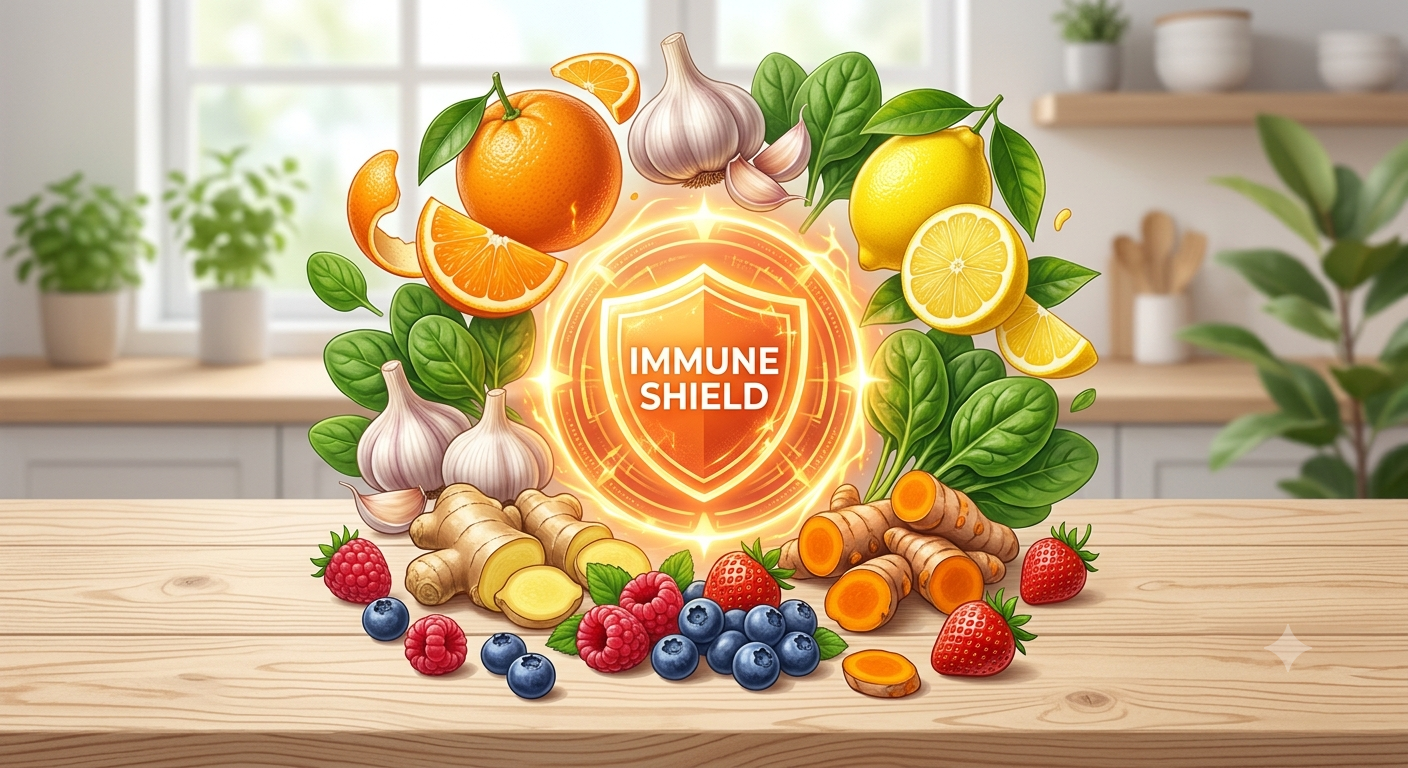

Foods That Boost Your Immune System: The Ultimate Guide to Eating for Better Health
Introduction
Your immune system is your body’s natural defense against harmful bacteria, viruses, fungi, and other disease-causing organisms. It works around the clock to identify and eliminate threats while protecting healthy cells. Although no single food can prevent illness entirely, the nutrients you consume every day play a vital role in keeping your immune system strong and functioning efficiently.
A balanced diet rich in vitamins, minerals, antioxidants, healthy fats, protein, and fiber provides your immune cells with the fuel they need to perform their jobs. On the other hand, diets high in processed foods, added sugars, unhealthy fats, and nutrient-poor snacks can weaken immune function over time and increase your risk of infections and chronic diseases.
Supporting your immune system isn’t about taking expensive supplements or following restrictive diets. Instead, it’s about consistently eating a variety of nutrient-dense whole foods that provide essential nutrients like vitamin C, vitamin D, zinc, selenium, iron, and antioxidants. Combined with regular exercise, quality sleep, stress management, and proper hydration, healthy eating forms the foundation of a resilient immune system.
In this guide, you’ll discover the best foods that naturally support immunity, the nutrients that matter most, and practical ways to include these foods in your daily meals.
Understanding the Immune System
The immune system is a complex network of organs, tissues, cells, and proteins that work together to defend your body. It includes white blood cells, antibodies, the lymphatic system, bone marrow, the spleen, and many other components.
When harmful microorganisms enter your body, your immune system identifies them as foreign invaders and launches a response to eliminate them. This process requires a steady supply of nutrients to produce immune cells, repair tissues, and regulate inflammation.
Poor nutrition can slow these processes, making it more difficult for your body to fight infections and recover from illness. That’s why maintaining a healthy diet is one of the simplest and most effective ways to support long-term immune health.
Essential Nutrients for a Healthy Immune System
Before looking at specific foods, it’s helpful to understand the nutrients that play the biggest role in immune function.
Vitamin C
Vitamin C supports the production and function of white blood cells while acting as a powerful antioxidant that protects cells from damage.
Vitamin D
Vitamin D helps regulate immune responses and supports the body’s ability to fight infections.
Vitamin A
Vitamin A helps maintain healthy skin and mucous membranes, which serve as the body’s first line of defense against germs.
Vitamin E
Vitamin E protects immune cells from oxidative damage and supports healthy immune function.
Zinc
Zinc is essential for the development and communication of immune cells.
Selenium
Selenium helps reduce oxidative stress and supports normal immune responses.
Iron
Iron plays an important role in oxygen transport and helps immune cells function efficiently.
Protein
Proteins provide the building blocks needed to create antibodies and immune cells.
Probiotics and Prebiotics
A healthy gut contains trillions of beneficial bacteria that influence immune function. Probiotic foods add beneficial bacteria, while prebiotic foods nourish them.
1. Citrus Fruits
Citrus fruits are among the best-known immune-supporting foods because they are rich in vitamin C.
Popular options include:
- Oranges
- Lemons
- Limes
- Grapefruits
- Tangerines
Immune Benefits
- Supports white blood cell production
- Acts as a powerful antioxidant
- Helps reduce cell damage
- Supports healthy skin barriers
Enjoy citrus fruits fresh, in salads, or infused into water instead of sugary drinks.
2. Red Bell Peppers
Many people are surprised to learn that red bell peppers contain even more vitamin C than oranges.
They also provide:
- Vitamin A
- Vitamin E
- Fiber
- Antioxidants
Health Benefits
- Strengthens immune defenses
- Supports eye health
- Promotes healthy skin
- Helps reduce inflammation
They can be eaten raw, roasted, grilled, or added to stir-fries and salads.
3. Garlic
Garlic has been used in traditional medicine for centuries due to its natural antibacterial and antiviral properties.
Its active compound, allicin, contributes to many of its health benefits.
Immune Benefits
- Supports natural immune defenses
- Helps reduce inflammation
- Supports heart health
- Contains antioxidant compounds
Fresh garlic provides the greatest nutritional value when lightly cooked or added near the end of cooking.
4. Ginger
Ginger is another natural food widely known for its medicinal properties.
Benefits for Immunity
- Reduces inflammation
- Supports healthy digestion
- Helps relieve sore throats
- Provides antioxidants
- May reduce nausea
Fresh ginger can be added to tea, soups, smoothies, and stir-fries.
5. Spinach
Spinach is packed with vitamins, minerals, and antioxidants that contribute to immune health.
It contains:
- Vitamin A
- Vitamin C
- Folate
- Iron
- Magnesium
Health Benefits
- Supports healthy immune cells
- Promotes healthy blood production
- Helps protect cells from oxidative damage
Lightly cooking spinach improves the absorption of certain nutrients.
6. Yogurt
Plain yogurt, especially Greek yogurt with live cultures, contains beneficial probiotics that support gut health.
Since much of the immune system is closely connected to the digestive tract, maintaining a healthy gut microbiome is essential.
Benefits
- Supports healthy gut bacteria
- Improves digestion
- Provides protein
- Rich in calcium
- Supports overall immunity
Choose plain yogurt with minimal added sugar.
7. Almonds
Almonds provide healthy fats along with vitamin E, an important antioxidant that supports immune function.
Benefits
- Protects immune cells
- Supports heart health
- Provides healthy fats
- Rich in magnesium
A small handful makes an excellent daily snack.
8. Fatty Fish
Fish such as salmon, sardines, tuna, and mackerel provide omega-3 fatty acids and vitamin D.
Health Benefits
- Reduces inflammation
- Supports immune regulation
- Promotes heart health
- Supports brain function
Experts generally recommend eating fatty fish two or more times each week.
9. Broccoli
Broccoli is one of the most nutrient-rich vegetables available.
It provides:
- Vitamin C
- Vitamin A
- Vitamin K
- Fiber
- Antioxidants
Immune Benefits
- Supports healthy immune cells
- Helps reduce inflammation
- Protects cells from damage
Steaming broccoli preserves many of its nutrients.
10. Sweet Potatoes
Sweet potatoes are rich in beta-carotene, which the body converts into vitamin A.
Benefits
- Maintains healthy skin
- Supports mucous membranes
- Promotes healthy vision
- Supports immune defenses
Roasted or baked sweet potatoes make a nutritious side dish.
11. Green Tea
Green tea contains powerful plant compounds called catechins.
These antioxidants help reduce oxidative stress and support overall health.
Benefits
- Supports immune function
- Promotes heart health
- Helps reduce inflammation
- Supports healthy metabolism
Replacing sugary beverages with green tea can improve your overall diet.
12. Berries
Blueberries, strawberries, raspberries, and blackberries are loaded with antioxidants and vitamin C.
Benefits
- Protect immune cells
- Reduce inflammation
- Support healthy aging
- Improve overall nutrition
Fresh or frozen berries are both excellent choices.
13. Mushrooms
Certain mushrooms contain compounds that help regulate immune activity.
Popular choices include:
- Shiitake
- Button mushrooms
- Oyster mushrooms
- Portobello mushrooms
Benefits
- Support immune cell function
- Provide selenium
- Contain B vitamins
- Rich in antioxidants
14. Beans and Lentils
Beans and lentils provide protein, fiber, zinc, iron, and folate.
Benefits
- Support healthy blood cells
- Improve digestive health
- Feed beneficial gut bacteria
- Provide long-lasting energy
They are also budget-friendly and highly versatile.
15. Sunflower Seeds
Sunflower seeds contain vitamin E, selenium, and healthy fats.
Benefits
- Protect immune cells
- Reduce oxidative stress
- Support heart health
Enjoy them as snacks or sprinkle them over salads and yogurt.
The Importance of Gut Health
Scientists estimate that a significant portion of the immune system is closely linked to the digestive tract. A diverse and balanced gut microbiome helps regulate immune responses and may reduce inflammation.
Foods that support gut health include:
Probiotic Foods
- Yogurt
- Kefir
- Sauerkraut
- Kimchi
- Fermented vegetables
Prebiotic Foods
- Garlic
- Onions
- Bananas
- Oats
- Asparagus
- Beans
Eating both probiotic and prebiotic foods helps maintain a healthy balance of beneficial bacteria.
Foods That Can Weaken Your Immune System
While some foods strengthen immunity, others may have the opposite effect when consumed in excess.
Try to limit:
- Sugary soft drinks
- Candy
- Cakes
- Cookies
- Deep-fried foods
- Processed meats
- Fast food
- Excessive alcohol
- Highly processed snacks
- Foods high in trans fats
These foods can contribute to inflammation and reduce the overall quality of your diet.
Lifestyle Habits That Support Immunity
Nutrition is only one part of maintaining a healthy immune system.
For the best results:
Stay Hydrated
Water helps transport nutrients and supports every system in the body.
Sleep Well
Adults generally need seven to nine hours of quality sleep each night.
Exercise Regularly
Moderate physical activity improves circulation and supports immune function.
Manage Stress
Chronic stress can weaken immune responses. Activities such as meditation, walking, deep breathing, and hobbies can help.
Avoid Smoking
Smoking damages immune defenses and increases the risk of infections.
Sample Immune-Boosting Meal Plan
Breakfast
Greek yogurt topped with blueberries, strawberries, almonds, and oats.
Morning Snack
Orange and a handful of sunflower seeds.
Lunch
Grilled salmon with brown rice, broccoli, spinach salad, and olive oil dressing.
Afternoon Snack
Carrot sticks with hummus.
Dinner
Lentil soup with garlic, onions, tomatoes, and whole-grain bread.
Evening Drink
Warm green tea with fresh ginger.
Common Myths About Immune-Boosting Foods
Myth 1: One Food Prevents Illness
No single food can stop you from getting sick. A healthy immune system depends on your overall diet and lifestyle.
Myth 2: More Vitamins Always Mean Better Immunity
Excessive amounts of vitamins and supplements can sometimes be harmful. Whole foods remain the best source of nutrients for most people.
Myth 3: Supplements Are Better Than Food
Supplements may be useful in certain situations, but they cannot fully replace the wide range of nutrients and beneficial compounds found in whole foods.
Myth 4: Healthy Eating Works Overnight
Strengthening your immune system is a long-term process. Consistency matters far more than occasional healthy meals.
Conclusion
A strong immune system begins with the choices you make every day, and your diet is one of the most powerful tools for supporting your body’s natural defenses. By regularly eating nutrient-rich foods such as citrus fruits, spinach, garlic, ginger, berries, broccoli, yogurt, fatty fish, nuts, beans, and whole grains, you provide your immune system with the vitamins, minerals, antioxidants, healthy fats, and protein it needs to function effectively.
It’s equally important to remember that no single “superfood” or vitamin can guarantee immunity from illness. The greatest benefits come from maintaining a balanced eating pattern, staying hydrated, getting enough sleep, exercising regularly, managing stress, and avoiding excessive processed foods and added sugars.
Rather than looking for quick fixes, focus on building sustainable habits that nourish your body over the long term. Add an extra serving of vegetables to your meals, snack on fruit instead of sweets, include fermented foods for gut health, and choose whole foods whenever possible. These simple steps, practiced consistently, can make a meaningful difference in your overall health and resilience.
Healthy eating is an investment in your future. By filling your plate with a variety of immune-supporting foods every day, you’ll not only strengthen your body’s defenses but also improve your energy, support your heart, enhance digestion, and promote lifelong well-being.