
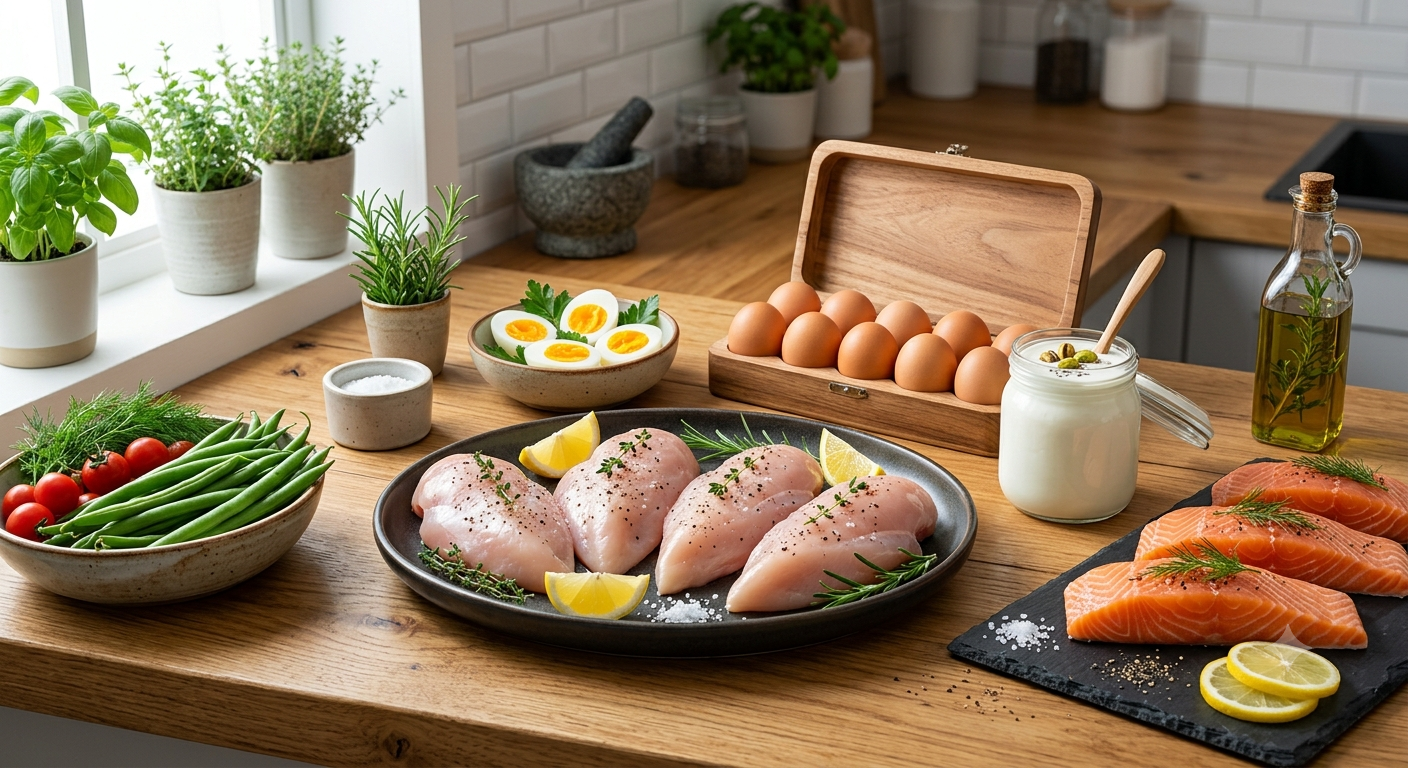

High Protein Foods for Muscle Growth: The Ultimate Guide to Building Strength Through Nutrition
Introduction
When it comes to building muscle, improving strength, and enhancing athletic performance, exercise is only part of the equation. Nutrition plays an equally important role, and among all nutrients, protein stands out as the most essential for muscle growth and recovery. Whether you’re a beginner starting your fitness journey, an experienced athlete, or simply someone looking to maintain lean muscle mass as you age, consuming enough high-quality protein is vital for achieving your goals.
Protein is made up of amino acids, often called the building blocks of the body. These amino acids are responsible for repairing damaged muscle fibers after exercise, supporting the growth of new muscle tissue, producing enzymes and hormones, and maintaining many other important bodily functions. Without adequate protein, your body cannot efficiently recover from workouts or maximize muscle development.
However, eating protein isn’t just about consuming large amounts of meat or buying expensive supplements. A balanced diet containing a variety of high-protein foods from both animal and plant sources provides all the nutrients your body needs for optimal muscle growth. Lean meats, fish, eggs, dairy products, legumes, nuts, seeds, and whole grains all contribute to meeting your daily protein requirements while supplying vitamins, minerals, and healthy fats that support overall health.
This comprehensive guide explains why protein is important for muscle growth, how much you need, the best high-protein foods to include in your diet, meal ideas, common myths, and practical tips to help you build muscle naturally.
Why Protein Is Important for Muscle Growth
Every time you perform resistance training, weightlifting, or intense physical activity, tiny tears develop in your muscle fibers. While this may sound harmful, it is actually a normal part of the muscle-building process.
After exercise, your body repairs these fibers using amino acids obtained from dietary protein. During recovery, the repaired muscle fibers become stronger and slightly larger, leading to muscle growth over time. This process is known as muscle protein synthesis.
Adequate protein intake helps:
- Repair muscle tissue after workouts
- Stimulate muscle protein synthesis
- Preserve lean muscle during weight loss
- Improve workout recovery
- Support strength development
- Reduce muscle soreness
- Maintain healthy bones
- Support hormone and enzyme production
- Enhance overall physical performance
Without enough protein, muscle recovery slows, strength gains become more difficult, and your body may even break down existing muscle tissue for energy.
How Much Protein Do You Need?
Protein requirements vary depending on age, body weight, activity level, and fitness goals.
General recommendations include:
- Sedentary adults: 0.8 grams per kilogram of body weight
- Recreational exercisers: 1.0–1.2 grams per kilogram
- Strength trainers and athletes: 1.6–2.2 grams per kilogram
- Older adults aiming to preserve muscle: 1.2–2.0 grams per kilogram
For example, a person weighing 70 kg (154 lbs) who regularly performs strength training may benefit from consuming approximately 110–150 grams of protein per day, depending on training intensity and overall calorie intake.
Rather than eating most of your protein in one meal, it’s generally beneficial to spread your intake evenly throughout the day.
Characteristics of High-Quality Protein Foods
Not all protein sources are the same.
The best protein foods typically provide:
- All essential amino acids
- High digestibility
- Vitamins and minerals
- Healthy fats
- Minimal added sugars or unhealthy fats
Animal proteins are generally considered complete proteins because they contain all nine essential amino acids. Many plant proteins are incomplete individually but can easily provide complete nutrition when eaten as part of a varied diet.
1. Chicken Breast
Chicken breast is one of the most popular foods among athletes and fitness enthusiasts because it is rich in protein while remaining relatively low in fat.
Protein Content
Approximately 31 grams of protein per 100 grams.
Benefits
- Supports lean muscle growth
- Low in saturated fat
- Rich in niacin and vitamin B6
- Easy to prepare
- Highly versatile
Healthy Serving Ideas
- Grilled chicken with vegetables
- Chicken salads
- Whole-grain wraps
- Stir-fries
- Meal-prep bowls
2. Eggs
Eggs are considered one of the highest-quality protein sources available.
They provide all essential amino acids along with important nutrients such as choline, vitamin D, selenium, and B vitamins.
Protein Content
Approximately 6–7 grams per large egg.
Benefits
- Supports muscle recovery
- Highly digestible protein
- Promotes satiety
- Affordable and convenient
Healthy cooking methods include boiling, poaching, scrambling with vegetables, or making omelets.
3. Greek Yogurt
Greek yogurt contains significantly more protein than regular yogurt while also providing probiotics that support gut health.
Protein Content
Approximately 15–20 grams per serving, depending on the brand.
Benefits
- Supports muscle recovery
- Rich in calcium
- Promotes digestive health
- Convenient snack
Choose plain, unsweetened varieties whenever possible.
4. Salmon
Salmon combines high-quality protein with heart-healthy omega-3 fatty acids.
Protein Content
Approximately 22–25 grams per 100 grams.
Benefits
- Supports muscle growth
- Reduces exercise-related inflammation
- Promotes heart health
- Rich in vitamin D and selenium
Grilled or baked salmon makes an excellent post-workout meal.
5. Lean Beef
Lean cuts of beef provide complete protein along with iron, zinc, vitamin B12, and creatine.
Protein Content
Around 26 grams per 100 grams.
Benefits
- Supports strength development
- Helps prevent iron deficiency
- Rich in zinc for recovery
- Contains naturally occurring creatine
Choose lean cuts and moderate portion sizes.
6. Cottage Cheese
Cottage cheese is rich in casein protein, a slowly digested protein that provides a steady supply of amino acids.
Protein Content
Approximately 24–28 grams per cup.
Benefits
- Excellent before bedtime
- Supports overnight recovery
- Rich in calcium
- Low in calories
Pair it with fruit or nuts for a balanced snack.
7. Tuna
Tuna is another excellent source of lean protein.
Protein Content
Approximately 25–30 grams per 100 grams.
Benefits
- Supports lean muscle
- Low in fat
- Rich in selenium
- Convenient canned option
Choose tuna packed in water when possible.
8. Lentils
Lentils are one of the best plant-based protein sources available.
Protein Content
About 18 grams per cooked cup.
Benefits
- High in fiber
- Supports digestive health
- Rich in iron
- Budget-friendly
- Excellent vegetarian option
Use lentils in soups, curries, salads, or grain bowls.
9. Chickpeas
Chickpeas provide both protein and complex carbohydrates, making them ideal for active individuals.
Protein Content
Around 15 grams per cooked cup.
Benefits
- Supports muscle recovery
- Rich in fiber
- Provides magnesium
- Helps maintain energy levels
They can be added to salads, roasted as snacks, or blended into hummus.
10. Tofu
Tofu is made from soybeans and is one of the few plant foods that provides complete protein.
Protein Content
Approximately 17 grams per 100 grams.
Benefits
- Excellent meat alternative
- Rich in calcium
- Supports muscle growth
- Versatile in cooking
Tofu works well in stir-fries, curries, salads, and sandwiches.
11. Milk
Milk naturally contains both whey and casein proteins.
Protein Content
About 8 grams per cup.
Benefits
- Supports muscle recovery
- Rich in calcium
- Provides vitamin D (fortified varieties)
- Hydrating after workouts
Chocolate milk is sometimes used as a post-workout recovery drink because it contains both carbohydrates and protein.
12. Quinoa
Unlike most grains, quinoa contains all essential amino acids.
Protein Content
Approximately 8 grams per cooked cup.
Benefits
- Complete plant protein
- Rich in magnesium
- High in fiber
- Gluten-free
Use quinoa instead of white rice for added nutrition.
13. Almonds
Although known primarily for healthy fats, almonds also contribute meaningful amounts of protein.
Protein Content
Approximately 6 grams per ounce (28 grams).
Benefits
- Healthy snack
- Rich in vitamin E
- Supports heart health
- Provides magnesium
Enjoy almonds in moderation due to their calorie density.
14. Pumpkin Seeds
Pumpkin seeds are nutrient-rich and surprisingly high in protein.
Protein Content
Around 8–9 grams per ounce.
Benefits
- Rich in zinc
- Supports immune function
- Provides healthy fats
- Convenient snack
Sprinkle them over salads, yogurt, or oatmeal.
15. Protein-Rich Whole Grains
Certain whole grains contribute additional protein while supplying complex carbohydrates needed for training.
Examples include:
- Oats
- Brown rice
- Barley
- Whole wheat pasta
- Farro
These foods help replenish glycogen stores after exercise.
Animal vs. Plant Protein
Both animal and plant proteins can support muscle growth.
Animal Proteins
Advantages:
- Complete amino acid profile
- High digestibility
- Rich in vitamin B12
- Excellent for muscle recovery
Examples:
- Chicken
- Fish
- Eggs
- Dairy
- Lean beef
Plant Proteins
Advantages:
- High in fiber
- Rich in antioxidants
- Lower in saturated fat
- Environmentally sustainable
Examples:
- Lentils
- Beans
- Tofu
- Tempeh
- Chickpeas
- Quinoa
A varied plant-based diet can easily provide adequate protein for muscle growth.
Best Time to Eat Protein
Protein is beneficial throughout the day.
Consider including protein:
Breakfast
Starting the day with protein helps improve fullness and supports muscle maintenance.
Before Exercise
A balanced meal containing carbohydrates and protein 2–3 hours before training can support performance.
After Exercise
Consuming protein within a few hours after resistance training supports muscle repair and recovery.
Before Bed
Slow-digesting proteins such as cottage cheese or Greek yogurt may support overnight muscle recovery.
Sample High-Protein Meal Plan
Breakfast
Vegetable omelet with whole-grain toast and Greek yogurt.
Morning Snack
Apple with almonds.
Lunch
Grilled chicken breast, brown rice, broccoli, and spinach salad.
Afternoon Snack
Cottage cheese with berries.
Dinner
Baked salmon, quinoa, and roasted vegetables.
Evening Snack
Plain Greek yogurt with pumpkin seeds.
Common Mistakes to Avoid
Many people make simple mistakes that can limit muscle growth.
Avoid:
- Eating too little protein
- Depending entirely on supplements
- Skipping meals
- Ignoring vegetables
- Consuming excessive processed foods
- Neglecting hydration
- Sleeping too little
- Training without sufficient recovery
Building muscle requires consistency in both nutrition and exercise.
Do You Need Protein Supplements?
Protein supplements such as whey or plant-based protein powders can be convenient, especially for people with higher protein needs or busy schedules.
However, they are not essential.
Whole foods should remain your primary protein source because they also provide fiber, healthy fats, vitamins, minerals, and other beneficial compounds.
Supplements are best viewed as a way to complement a balanced diet rather than replace nutritious meals.
Tips for Maximizing Muscle Growth
Protein works best when combined with healthy lifestyle habits.
For the best results:
- Perform regular strength training.
- Eat enough total calories to support muscle growth.
- Include protein with every meal.
- Consume plenty of fruits and vegetables.
- Stay hydrated.
- Get seven to nine hours of sleep each night.
- Progressively increase training intensity over time.
- Allow muscles adequate time to recover between workouts.
Conclusion
Building muscle requires more than lifting weights—it demands consistent, high-quality nutrition, and protein is at the center of that process. By including protein-rich foods such as chicken breast, eggs, Greek yogurt, salmon, lean beef, cottage cheese, tuna, lentils, chickpeas, tofu, milk, quinoa, almonds, pumpkin seeds, and whole grains in your daily meals, you provide your body with the essential amino acids needed to repair muscle tissue, stimulate growth, and improve recovery.
It’s important to remember that muscle growth doesn’t happen overnight. Consistency in both training and nutrition is the key to long-term success. Instead of relying solely on supplements or fad diets, focus on eating a balanced diet that combines high-quality protein with complex carbohydrates, healthy fats, fruits, and vegetables. This approach not only supports muscle development but also promotes overall health, energy, and athletic performance.
Whether you’re aiming to build strength, improve fitness, or maintain lean muscle as you age, making protein-rich whole foods a regular part of your diet is one of the smartest investments you can make in your health. Pair your nutrition with regular resistance training, sufficient rest, and a healthy lifestyle, and you’ll be well on your way to achieving your muscle-building goals naturally and sustainably.