
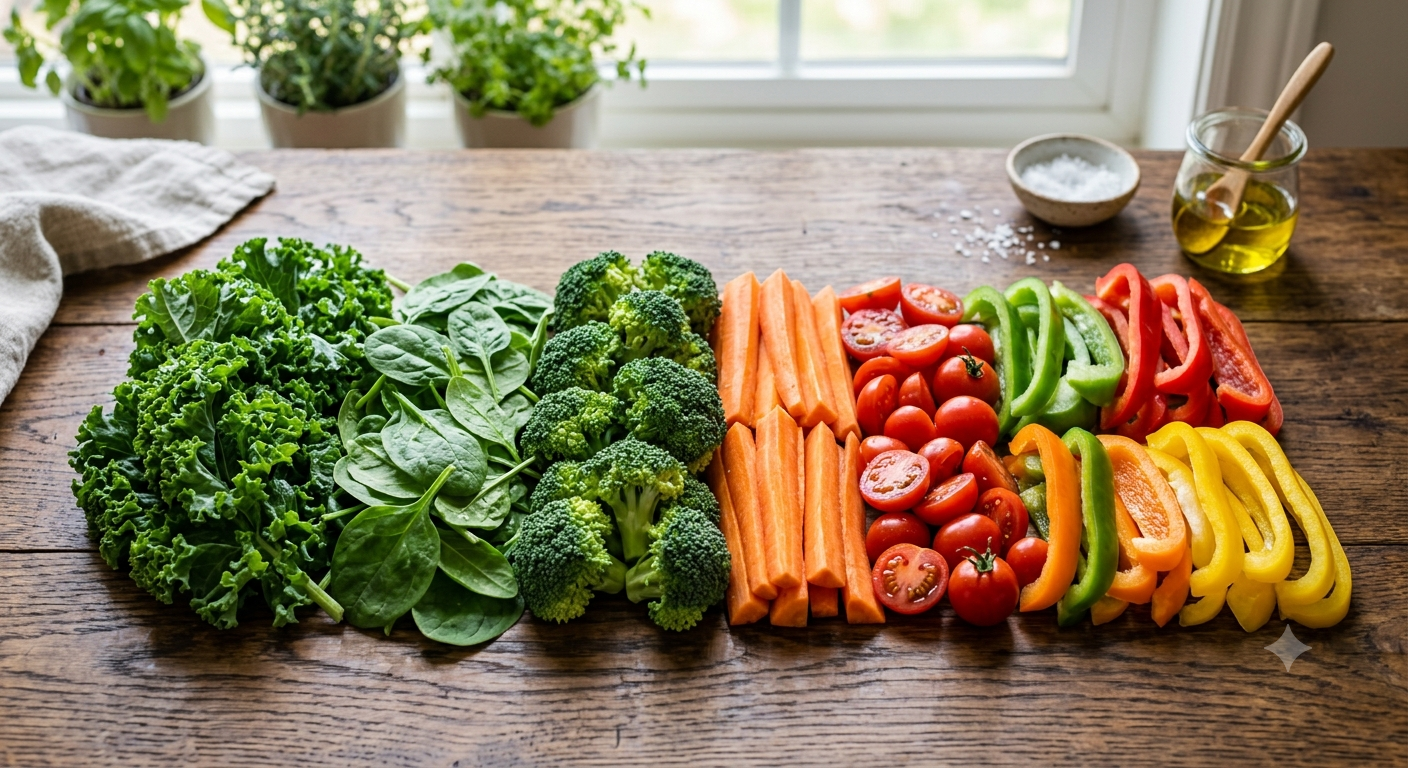

Vegetables Everyone Should Eat Daily: A Complete Guide to Better Health Through Nutrition
Introduction
Vegetables are among the most nutrient-dense foods you can eat, yet many people still fail to consume the recommended daily servings. Packed with vitamins, minerals, fiber, antioxidants, and plant compounds, vegetables play a crucial role in maintaining good health, supporting the immune system, improving digestion, and reducing the risk of chronic diseases. Whether your goal is to lose weight, improve heart health, build muscle, boost energy, or simply maintain a balanced diet, eating a variety of vegetables every day is one of the most effective steps you can take.
Unlike highly processed foods that are often high in calories, unhealthy fats, added sugars, and sodium, vegetables are naturally low in calories while providing an impressive range of nutrients. Their high fiber and water content also help keep you feeling full, making them an excellent choice for weight management and healthy eating.
Nutrition experts consistently recommend filling at least half of your plate with vegetables at lunch and dinner. Different vegetables offer different nutritional benefits, so eating a colorful variety ensures your body receives a broad spectrum of vitamins, minerals, and protective antioxidants.
In this comprehensive guide, we’ll explore why vegetables are essential, the nutrients they provide, the best vegetables to include in your daily diet, practical ways to prepare them, and tips for making vegetables a regular part of every meal.
Why Eating Vegetables Every Day Matters
Vegetables are much more than simple side dishes. They provide nutrients that support nearly every function in the body.
Regular vegetable consumption may help:
- Strengthen the immune system
- Improve digestive health
- Support healthy weight management
- Reduce the risk of heart disease
- Help maintain healthy blood pressure
- Lower the risk of type 2 diabetes
- Support healthy vision
- Promote healthy skin
- Strengthen bones
- Improve gut health
People who eat more vegetables generally consume more fiber and essential nutrients while reducing their intake of processed foods.
Key Nutrients Found in Vegetables
Every vegetable has its own nutritional profile, but together they provide an impressive range of essential nutrients.
Fiber
Fiber supports digestion, promotes fullness, and helps maintain healthy cholesterol and blood sugar levels.
Vitamin A
Important for healthy vision, skin, and immune function.
Vitamin C
Supports immunity, collagen production, wound healing, and antioxidant protection.
Vitamin K
Essential for normal blood clotting and maintaining healthy bones.
Folate
Supports cell growth and DNA production, making it especially important during pregnancy.
Potassium
Helps regulate blood pressure, muscle function, and fluid balance.
Magnesium
Supports muscle function, nerve health, and energy production.
Antioxidants
Plant compounds help protect cells from oxidative stress and may reduce the risk of chronic disease.
1. Spinach
Spinach is one of the most nutrient-rich leafy green vegetables available.
Nutritional Highlights
- Vitamin A
- Vitamin C
- Vitamin K
- Folate
- Iron
- Magnesium
Health Benefits
- Supports eye health
- Strengthens bones
- Promotes healthy blood circulation
- Supports muscle function
Ways to Enjoy
- Salads
- Smoothies
- Omelets
- Stir-fries
- Soups
Both fresh and frozen spinach are nutritious choices.
2. Broccoli
Broccoli is considered a nutritional powerhouse because of its impressive vitamin and antioxidant content.
Nutritional Highlights
- Vitamin C
- Vitamin K
- Fiber
- Folate
- Potassium
Benefits
- Supports immune health
- Promotes digestion
- Supports heart health
- Contains beneficial plant compounds
Light steaming helps preserve many of its nutrients.
3. Carrots
Carrots are well known for supporting eye health due to their high beta-carotene content.
Nutritional Highlights
- Beta-carotene
- Vitamin A
- Fiber
- Potassium
Benefits
- Supports healthy vision
- Promotes healthy skin
- Rich in antioxidants
- Naturally sweet and satisfying
Enjoy carrots raw, roasted, or in soups.
4. Bell Peppers
Bell peppers are colorful vegetables loaded with nutrients.
Nutritional Highlights
- Vitamin C
- Vitamin A
- Vitamin B6
- Antioxidants
Benefits
- Supports immunity
- Promotes healthy skin
- Low in calories
- Rich in antioxidants
Red peppers generally contain the highest levels of vitamin C.
5. Tomatoes
Although botanically classified as a fruit, tomatoes are commonly used as vegetables.
Nutritional Highlights
- Vitamin C
- Potassium
- Lycopene
Benefits
- Supports heart health
- Rich in antioxidants
- May support skin health
Cooked tomatoes increase the availability of lycopene.
6. Kale
Kale has become popular because of its exceptional nutritional value.
Nutritional Highlights
- Vitamin K
- Vitamin A
- Vitamin C
- Calcium
Benefits
- Supports bone health
- Rich in antioxidants
- High fiber
- Low calorie
Massage raw kale with olive oil to improve texture for salads.
7. Sweet Potatoes
Sweet potatoes are rich in nutrients while providing healthy complex carbohydrates.
Nutritional Highlights
- Vitamin A
- Fiber
- Potassium
- Vitamin C
Benefits
- Supports eye health
- Provides sustained energy
- Supports digestion
Bake or roast them instead of frying.
8. Cauliflower
Cauliflower is an incredibly versatile vegetable.
Benefits
- Rich in fiber
- Vitamin C
- Folate
- Low carbohydrate
It can be mashed, roasted, grilled, or used as cauliflower rice.
9. Brussels Sprouts
Brussels sprouts belong to the cruciferous vegetable family.
Benefits
- High fiber
- Vitamin K
- Vitamin C
- Antioxidants
Roasting enhances their natural sweetness.
10. Green Beans
Green beans provide fiber and important vitamins while remaining low in calories.
Benefits
- Supports digestion
- Rich in vitamin C
- Contains vitamin K
- Easy to prepare
Steam lightly for the best texture.
11. Cucumbers
Cucumbers consist mostly of water, making them excellent for hydration.
Benefits
- Supports hydration
- Low calorie
- Refreshing
- Good source of vitamin K
Perfect in salads and sandwiches.
12. Zucchini
Zucchini is mild in flavor and highly versatile.
Benefits
- Low calorie
- Rich in vitamin C
- High water content
- Easy to cook
It works well in stir-fries, soups, pasta dishes, and grilled recipes.
13. Mushrooms
Mushrooms provide valuable nutrients and a savory flavor.
Nutritional Highlights
- B vitamins
- Selenium
- Potassium
- Antioxidants
Benefits
- Supports immunity
- Low calorie
- Adds texture to meals
Different varieties provide slightly different nutritional benefits.
14. Asparagus
Asparagus is a nutrient-rich spring vegetable.
Benefits
- High in folate
- Rich in vitamin K
- Supports digestion
- Contains antioxidants
Roast or grill for the best flavor.
15. Cabbage
Cabbage is affordable, nutritious, and extremely versatile.
Benefits
- Rich in vitamin C
- High fiber
- Supports digestion
- Excellent for salads and soups
Both green and purple cabbage provide valuable nutrients.
Color Matters: Eat the Rainbow
Different vegetable colors often indicate different nutrients and antioxidants.
Green Vegetables
Examples:
- Spinach
- Broccoli
- Kale
- Green beans
These are typically rich in chlorophyll, folate, vitamin K, and magnesium.
Red Vegetables
Examples:
- Tomatoes
- Red peppers
Rich in lycopene and vitamin C.
Orange and Yellow Vegetables
Examples:
- Carrots
- Sweet potatoes
- Yellow peppers
High in beta-carotene and vitamin A.
Purple Vegetables
Examples:
- Purple cabbage
- Eggplant
Contain anthocyanins, powerful antioxidant compounds.
White Vegetables
Examples:
- Cauliflower
- Mushrooms
- Onions
Provide beneficial plant compounds and fiber.
Eating vegetables of different colors ensures a wider range of nutrients.
Best Ways to Cook Vegetables
Cooking methods influence both flavor and nutrient retention.
Healthy cooking methods include:
- Steaming
- Roasting
- Grilling
- Stir-frying with small amounts of olive oil
- Microwaving
- Baking
Avoid overcooking vegetables, as prolonged heat may reduce certain vitamins.
Easy Ways to Eat More Vegetables
Many people struggle to meet their daily vegetable intake.
Try these simple ideas:
- Add spinach to smoothies.
- Include vegetables in omelets.
- Fill half your lunch plate with vegetables.
- Snack on carrots and cucumbers with hummus.
- Add extra vegetables to soups.
- Include salads with dinner.
- Roast vegetables for meal prep.
- Blend vegetables into pasta sauces.
- Add mushrooms and peppers to sandwiches.
- Keep pre-cut vegetables in the refrigerator.
Small changes throughout the day can significantly increase your vegetable intake.
Common Mistakes to Avoid
Even healthy eaters sometimes make mistakes with vegetables.
Avoid:
- Eating the same vegetables every day
- Overcooking vegetables
- Relying heavily on fried vegetables
- Covering vegetables with heavy cream sauces
- Skipping vegetables at meals
- Depending solely on vegetable juices
Whole vegetables provide more fiber and greater satiety than juices.
Frozen vs. Fresh Vegetables
Both fresh and frozen vegetables can be nutritious choices.
Fresh Vegetables
Advantages:
- Crisp texture
- Excellent flavor
- Great for salads
Frozen Vegetables
Advantages:
- Convenient
- Affordable
- Long shelf life
- Often frozen soon after harvest, preserving nutrients
Choose frozen vegetables without added sauces or seasonings.
Sample One-Day Vegetable Meal Plan
Breakfast
Vegetable omelet with spinach, mushrooms, tomatoes, and whole-grain toast.
Morning Snack
Carrot and cucumber sticks with hummus.
Lunch
Grilled chicken salad with lettuce, bell peppers, cucumbers, tomatoes, and avocado.
Afternoon Snack
Cherry tomatoes with a handful of nuts.
Dinner
Baked salmon, roasted broccoli, cauliflower, and sweet potato.
This meal plan includes a wide variety of vegetables while providing balanced nutrition.
Lifestyle Tips for Increasing Vegetable Intake
Building a vegetable-rich diet becomes easier with consistent habits.
- Plan meals around vegetables instead of meat.
- Try one new vegetable each week.
- Keep frozen vegetables available for busy days.
- Experiment with herbs and spices for added flavor.
- Replace refined side dishes with roasted vegetables.
- Include salads at lunch or dinner.
- Involve family members in preparing vegetable-based meals.
These habits make healthy eating more enjoyable and sustainable.
Conclusion
Vegetables are among the most powerful foods you can include in your daily diet. Rich in fiber, vitamins, minerals, antioxidants, and plant compounds, they support nearly every aspect of health—from strengthening the immune system and improving digestion to promoting heart health, maintaining healthy weight, and reducing the risk of chronic diseases. By regularly eating nutrient-rich vegetables such as spinach, broccoli, carrots, bell peppers, tomatoes, kale, sweet potatoes, cauliflower, Brussels sprouts, green beans, cucumbers, zucchini, mushrooms, asparagus, and cabbage, you provide your body with the nourishment it needs to thrive.
Rather than focusing on just one “super vegetable,” aim to eat a colorful variety every day. Different vegetables contribute unique nutrients, and combining them creates a balanced, nutrient-dense diet that benefits your entire body. Fresh, frozen, raw, steamed, roasted, or grilled—there are countless ways to enjoy vegetables while preserving their nutritional value and flavor.
Healthy eating doesn’t require complicated meal plans or expensive ingredients. Simple habits such as filling half your plate with vegetables, trying new recipes, and preparing produce in advance can make a significant difference over time. By making vegetables a daily priority, you’ll improve your nutrition, increase your energy, support long-term wellness, and build a healthier lifestyle that lasts for years to come.