
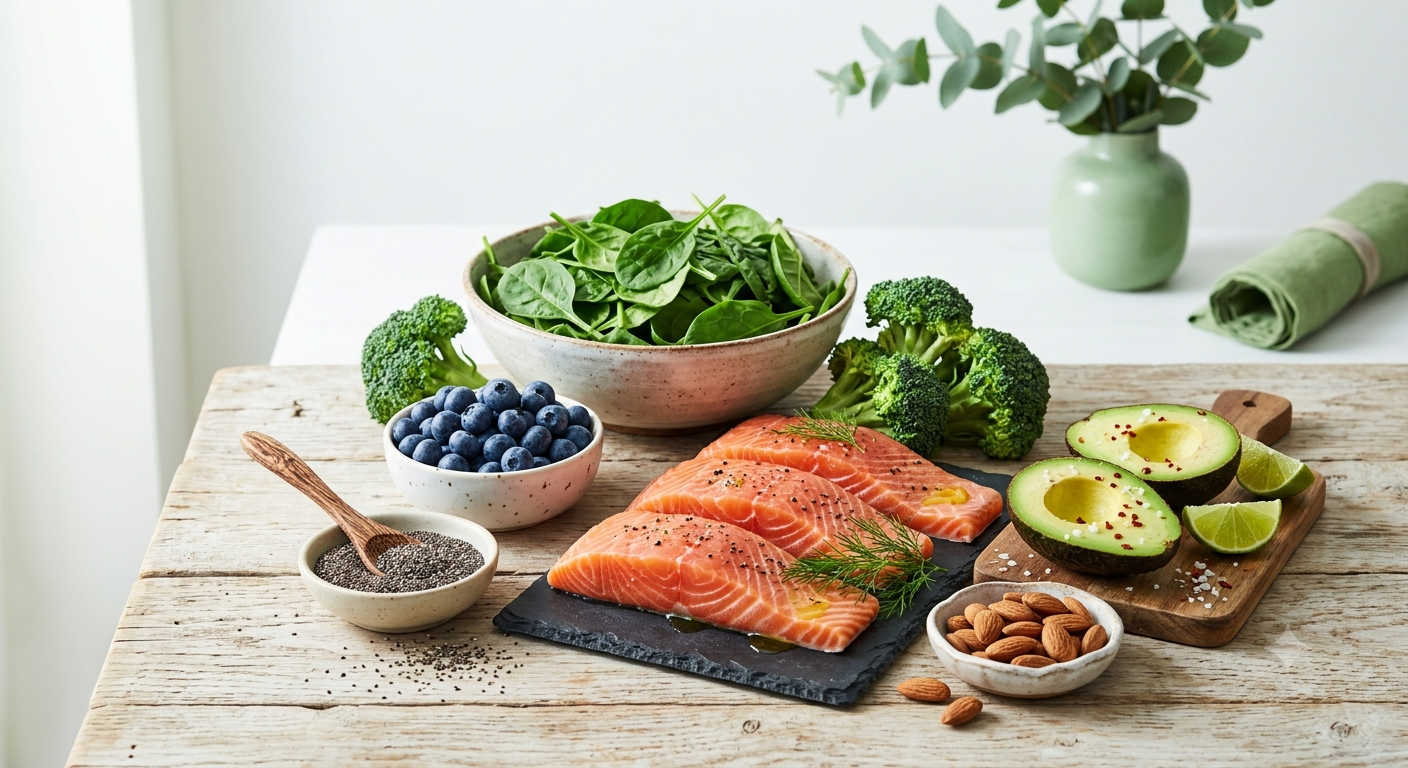

Best Superfoods You Should Eat Every Day
Introduction
The phrase “superfood” has become increasingly popular in recent years, and for good reason. Superfoods are nutrient-dense foods packed with vitamins, minerals, antioxidants, healthy fats, fiber, and other beneficial compounds that support overall health and well-being. While no single food can provide every nutrient your body needs or guarantee perfect health, incorporating a variety of superfoods into your daily diet can significantly improve your energy levels, strengthen your immune system, reduce the risk of chronic diseases, and promote a longer, healthier life.
Modern lifestyles often make it difficult to maintain a balanced diet. Processed foods, sugary snacks, and fast-food meals have become common choices due to convenience, but they often lack the nutrients our bodies require. This nutritional gap can lead to fatigue, weakened immunity, digestive issues, and increased susceptibility to diseases such as diabetes, heart disease, and obesity.
Superfoods offer a simple and natural solution. They are widely available, versatile, and can easily be added to everyday meals without requiring drastic dietary changes. Whether you’re preparing breakfast, lunch, dinner, or a quick snack, including superfoods can help you nourish your body with high-quality nutrients.
This article explores some of the best superfoods you should consider eating every day, explains their health benefits, and provides practical ways to include them in your diet.
What Are Superfoods?
Although “superfood” is not an official scientific or medical term, it generally refers to foods that contain exceptionally high levels of nutrients compared to their calorie content. These foods are rich in vitamins, minerals, antioxidants, fiber, healthy fats, and plant compounds that contribute to good health.
Superfoods are valued because they can help:
- Support heart health
- Improve brain function
- Strengthen the immune system
- Promote healthy digestion
- Reduce inflammation
- Maintain healthy body weight
- Improve skin health
- Increase energy levels
- Lower the risk of chronic diseases
The key to gaining the greatest benefit is variety. Rather than relying on one “miracle” food, it’s best to consume a wide range of nutrient-rich foods every day.
1. Blueberries
Blueberries are often considered one of the healthiest fruits on the planet. Despite their small size, they are packed with antioxidants, particularly anthocyanins, which help protect the body from oxidative stress caused by free radicals.
Health Benefits
- Supports brain health and memory
- Promotes heart health
- Helps regulate blood sugar levels
- Reduces inflammation
- Strengthens the immune system
- Supports healthy aging
Blueberries are also rich in vitamin C, vitamin K, manganese, and dietary fiber.
How to Eat Them
- Add to oatmeal
- Blend into smoothies
- Mix with yogurt
- Toss into fruit salads
- Eat fresh as a snack
Aim for about one cup several times a week or even daily if available.
2. Spinach
Spinach is one of the most nutrient-dense leafy green vegetables. It contains vitamins A, C, E, and K, along with iron, calcium, magnesium, potassium, and folate.
Health Benefits
- Supports healthy eyesight
- Strengthens bones
- Improves blood circulation
- Helps maintain healthy blood pressure
- Boosts immunity
- Promotes healthy skin
Spinach is also low in calories, making it ideal for people trying to maintain a healthy weight.
How to Eat It
- Add to salads
- Blend into smoothies
- Stir into soups
- Cook with eggs
- Mix into pasta dishes
Fresh or lightly cooked spinach retains most of its nutrients.
3. Salmon
Salmon is one of the richest natural sources of omega-3 fatty acids, which are essential fats the body cannot produce on its own.
Health Benefits
- Supports heart health
- Improves brain function
- Reduces inflammation
- Helps maintain healthy cholesterol levels
- Promotes healthy skin
- Supports eye health
Salmon also provides high-quality protein, vitamin D, vitamin B12, selenium, and potassium.
Healthy Serving Ideas
- Grilled salmon
- Baked salmon with vegetables
- Salmon salad
- Whole-grain salmon sandwich
Experts generally recommend eating fatty fish at least twice per week.
4. Oats
Oats are one of the healthiest whole grains available. They are rich in soluble fiber called beta-glucan, which helps lower cholesterol and supports heart health.
Health Benefits
- Promotes digestive health
- Stabilizes blood sugar
- Supports weight management
- Lowers LDL cholesterol
- Keeps you feeling full longer
Oats are also rich in magnesium, phosphorus, iron, zinc, and B vitamins.
Daily Uses
- Oatmeal
- Overnight oats
- Smoothies
- Homemade granola
- Healthy baking recipes
Choose plain oats instead of flavored varieties with added sugar.
5. Greek Yogurt
Greek yogurt is an excellent source of protein and probiotics—beneficial bacteria that support digestive health.
Health Benefits
- Improves gut health
- Strengthens bones
- Supports muscle growth
- Boosts immunity
- Helps with weight management
It also provides calcium, vitamin B12, phosphorus, and potassium.
Healthy Serving Ideas
- Fresh fruit topping
- Honey and nuts
- Smoothie ingredient
- Healthy dessert
- Breakfast bowl
Choose plain, unsweetened Greek yogurt whenever possible.
6. Avocados
Avocados are unique because they contain healthy monounsaturated fats rather than unhealthy saturated fats.
Health Benefits
- Supports heart health
- Helps absorb fat-soluble vitamins
- Improves skin health
- Supports brain function
- Promotes healthy cholesterol levels
Avocados are also rich in potassium, fiber, folate, and vitamin E.
Ways to Enjoy
- Toast topping
- Salads
- Smoothies
- Sandwiches
- Homemade guacamole
Moderation is important because avocados are calorie-dense.
7. Nuts and Seeds
Nuts and seeds provide healthy fats, plant protein, fiber, vitamins, and minerals.
Excellent choices include:
- Almonds
- Walnuts
- Pistachios
- Chia seeds
- Flaxseeds
- Pumpkin seeds
- Sunflower seeds
Health Benefits
- Supports heart health
- Reduces inflammation
- Promotes brain function
- Helps control hunger
- Improves digestive health
A small handful daily is generally enough.
8. Eggs
Eggs are one of nature’s most complete foods, providing high-quality protein and numerous essential nutrients.
Health Benefits
- Supports muscle growth
- Promotes brain health
- Maintains eye health
- Helps with weight management
- Supports healthy metabolism
Eggs contain choline, vitamin D, selenium, and B vitamins.
Healthy Cooking Methods
- Boiled
- Poached
- Scrambled with vegetables
- Omelets
- Whole-grain sandwiches
For most healthy individuals, moderate egg consumption fits well into a balanced diet.
9. Sweet Potatoes
Sweet potatoes are rich in complex carbohydrates, fiber, and beta-carotene, which the body converts into vitamin A.
Health Benefits
- Supports healthy vision
- Improves digestion
- Provides steady energy
- Strengthens immunity
- Supports skin health
They are also rich in potassium and vitamin C.
Healthy Ways to Eat
- Baked
- Roasted
- Mashed
- Added to soups
- Healthy fries
Avoid deep-frying to preserve their nutritional value.
10. Broccoli
Broccoli is often considered one of the healthiest vegetables because it contains a wide range of vitamins and protective plant compounds.
Health Benefits
- Supports immune function
- Promotes heart health
- Improves digestion
- Helps maintain healthy bones
- Contains powerful antioxidants
Broccoli is rich in vitamin C, vitamin K, folate, fiber, and sulforaphane.
Best Cooking Methods
- Steamed
- Roasted
- Stir-fried
- Added to pasta
- Mixed into soups
Light cooking helps preserve its nutrients.
11. Beans and Lentils
Beans and lentils are affordable nutritional powerhouses packed with plant protein, fiber, iron, and complex carbohydrates.
Health Benefits
- Supports heart health
- Promotes healthy digestion
- Helps regulate blood sugar
- Provides long-lasting energy
- Supports muscle maintenance
Popular options include:
- Black beans
- Kidney beans
- Chickpeas
- Lentils
- Pinto beans
They are excellent meat alternatives for vegetarians.
12. Green Tea
Green tea has been consumed for centuries due to its numerous health benefits.
Health Benefits
- Rich in antioxidants
- Supports metabolism
- Improves brain function
- Promotes heart health
- May help reduce inflammation
Replace sugary beverages with green tea for a healthier choice.
13. Garlic
Garlic has long been valued for both its flavor and medicinal properties.
Health Benefits
- Supports immune health
- Helps maintain healthy blood pressure
- Promotes heart health
- Contains antibacterial properties
- Rich in antioxidants
Fresh garlic provides the greatest health benefits.
14. Tomatoes
Tomatoes are an excellent source of lycopene, a powerful antioxidant linked to heart health and reduced oxidative stress.
Health Benefits
- Supports heart health
- Promotes healthy skin
- Provides vitamin C
- Supports eye health
- Helps reduce inflammation
Cooked tomatoes often provide more absorbable lycopene than raw ones.
15. Dark Chocolate
Good-quality dark chocolate (70% cocoa or higher) can be a healthy treat when consumed in moderation.
Health Benefits
- Rich in antioxidants
- Supports heart health
- May improve mood
- Supports brain function
- Contains beneficial minerals
Choose dark chocolate with minimal added sugar.
Tips for Adding Superfoods to Your Daily Diet
Including superfoods doesn’t require a complete overhaul of your eating habits. Small, consistent changes can make a significant difference over time.
Here are some practical ways to enjoy them daily:
- Start your morning with oatmeal topped with blueberries and nuts.
- Add spinach to smoothies, omelets, or sandwiches.
- Snack on a handful of almonds or walnuts instead of chips.
- Replace sugary desserts with Greek yogurt and fresh fruit.
- Include beans or lentils in soups, salads, or curries.
- Eat grilled salmon or other fatty fish a couple of times each week.
- Drink green tea instead of sugary soft drinks.
- Add avocado slices to sandwiches or salads.
- Roast broccoli and sweet potatoes as nutritious side dishes.
- Use fresh garlic and tomatoes when cooking homemade meals.
These small habits can increase your intake of essential nutrients without making healthy eating feel restrictive.
Common Myths About Superfoods
There are several misconceptions surrounding superfoods. Understanding the facts can help you make informed dietary choices.
Myth 1: One Superfood Can Fix Everything
No single food provides every nutrient your body needs. A balanced and varied diet is essential.
Myth 2: Superfoods Are Always Expensive
Many affordable foods, such as oats, beans, lentils, spinach, eggs, and sweet potatoes, qualify as nutrient-rich superfoods.
Myth 3: You Need Supplements Instead
Whole foods provide fiber and naturally occurring compounds that supplements cannot fully replicate.
Myth 4: More Is Always Better
Eating excessive amounts of any one food isn’t beneficial. Moderation and variety remain the foundation of healthy eating.
Building a Balanced Diet with Superfoods
Superfoods work best when they are part of an overall balanced eating pattern. A healthy plate should generally include:
- Plenty of colorful vegetables
- Fresh fruits
- Whole grains
- Lean proteins
- Healthy fats
- Adequate water
Combining different nutrient-rich foods ensures your body receives the vitamins, minerals, fiber, and healthy fats it needs to function at its best.
Conclusion
Superfoods are not magical cures, but they are some of the most nutritious foods you can include in your daily diet. From antioxidant-rich blueberries and leafy spinach to heart-healthy salmon, fiber-packed oats, creamy Greek yogurt, healthy avocados, and protein-rich eggs, these foods provide essential nutrients that support every aspect of your health.
The key to long-term wellness isn’t relying on a single “miracle” ingredient. Instead, focus on building meals that combine a variety of whole, nutrient-dense foods. Small daily choices—such as adding vegetables to your lunch, snacking on nuts instead of processed foods, or choosing oatmeal over sugary cereals—can have a lasting impact on your energy, immunity, heart health, digestion, and overall quality of life.
Remember that healthy eating is a lifelong journey, not a short-term challenge. By making superfoods a regular part of your routine, you’re investing in a stronger body, a sharper mind, and a healthier future. Start with one or two superfoods today, gradually expand your choices, and enjoy the benefits of nourishing your body with the best nature has to offer.